Adapting LED Strip Lighting to Retail, Office, and Residential Spaces
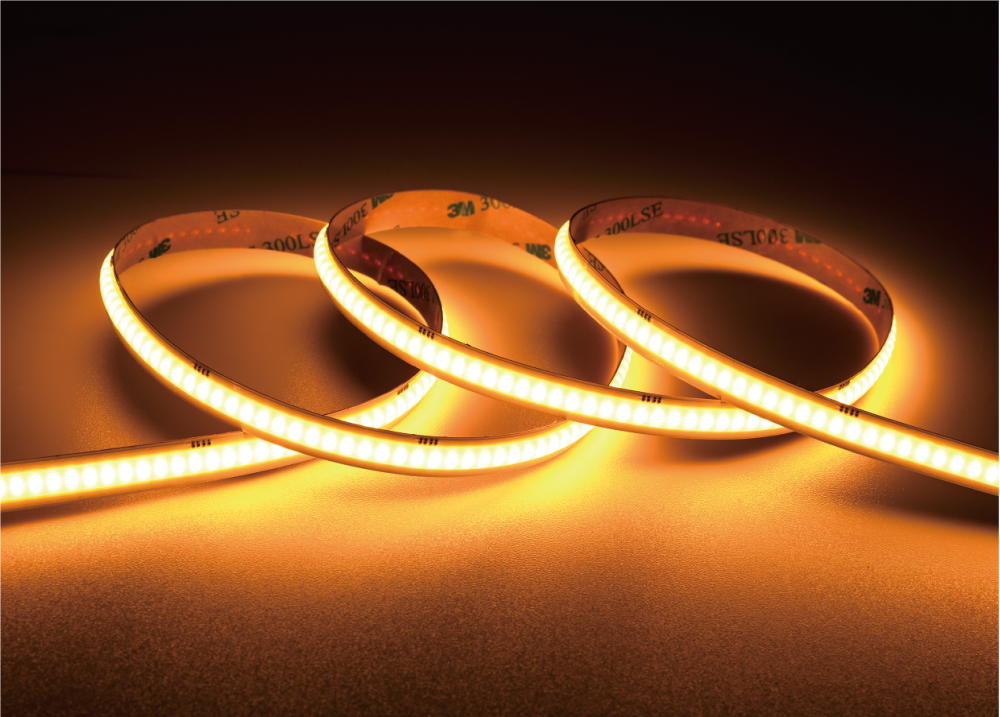
Lighting requirements change significantly from one environment to another. A retail display needs to bring out product details, an office calls for comfortable illumination across working areas, and a home often combines practical lighting with atmosphere.
For buyers considering LED strip lights wholesale, understanding these differences helps avoid selecting products based on price or appearance alone. LEDIA Lighting provides lighting solutions for varied applications, supported by technical testing and product development capabilities.
Retail Projects: Highlight Products Without Creating Glare
Retail lighting influences how merchandise is perceived. Strip lights installed beneath shelves, inside display cabinets, or along architectural features can draw attention to selected products while maintaining a consistent visual arrangement. The position of each light source should relate to the merchandise rather than simply follow the shape of the furniture.
Colour rendering is particularly important in clothing, cosmetics, and home furnishing stores. A higher Colour Rendering Index (CRI) can help fabrics, packaging, and decorative materials appear closer to their colours under natural reference lighting. Buyers should also compare colour temperature options, since warm and cool white light can create noticeably different impressions of the same product.
Reflective surfaces require additional planning. Glass shelves, polished counters, and glossy packaging may produce bright reflections if strips are installed at unsuitable angles. Diffusers, recessed channels, and indirect lighting can soften the visual effect while maintaining useful illumination.
Office Environments: Balance Comfort and Function
Office strip lighting often serves a different purpose from retail accent lighting. It may be integrated into ceilings, partitions, desks, and shared work areas to provide general or supplementary illumination. The distribution should be considered alongside workstation layout, screen positions, and the amount of daylight entering the room.
Visual comfort depends on more than brightness. Excessive luminance contrast can cause discomfort, while insufficient illumination may make detailed tasks harder. Lighting designers should review illuminance levels at the working plane, glare, colour quality, and fixture placement instead of relying solely on wattage or lumens.
Control systems can make office lighting more responsive to daily activity. Dimming allows output to be adjusted for presentations, individual work, and collaborative meetings. Occupancy sensors and daylight-responsive controls may also help reduce unnecessary operation, provided their settings match the room’s actual usage patterns.
Residential Applications: Integrate Light Into Everyday Spaces
In homes, LED strips can serve as both functional and decorative lighting. Under-cabinet installations provide supplementary light for kitchen worktops, while wardrobe and closet lighting improves visibility in enclosed storage spaces. Behind headboards, beneath floating furniture, or along shelving, concealed strips can add depth without making the light source visually dominant.
The installation method should suit the furniture and building materials. Aluminium profiles can protect the strip, provide a defined mounting channel, and help dissipate heat. Recessed formats create a flush appearance, whereas surface-mounted channels may be more suitable when existing cabinetry cannot be modified.
Residential buyers should also consider the electrical and environmental conditions. Strip voltage must match the power supply, and driver capacity should account for the total connected load. Kitchens, bathrooms, and other moisture-prone areas may require suitable ingress protection, with connectors and cut ends treated according to the manufacturer’s instructions.
Evaluate Manufacturing Quality and Product Reliability
Different projects place different demands on LED products, making supplier evaluation an important part of procurement. Buyers should review technical datasheets, electrical ratings, photometric information, colour consistency, warranty conditions, and the availability of replacement components. For larger orders, batch consistency and production traceability can affect the result across multiple sites.
Working with an experienced LED linear light manufacturer can also help project teams assess product suitability before installation. Relevant questions include whether the supplier can provide test documentation, explain product limitations, support customised requirements, and maintain consistent specifications across repeat orders.
Laboratory testing provides useful evidence about product performance and reliability. Depending on the testing programme, assessments may cover electrical safety, light output, colour characteristics, temperature behaviour, and operating durability. Buyers should distinguish between internal quality checks, third-party reports, and formal product certifications, since they represent different levels of verification.
LEDIA Lighting has a 1,000 sqm state-certificated laboratory, with testing capabilities and technical staff covering product safety, performance, and reliability. This facility supports evaluation across several aspects of lighting development, giving buyers a basis for discussing technical requirements and product testing with the manufacturer.
Conclusion
Retail, office, and residential projects may all use strip lighting, but their priorities are rarely identical. Display environments focus on merchandise presentation, workplaces place greater emphasis on visual comfort, and homes often combine task illumination with decorative effects. Buyers sourcing LED strip lights wholesale can make more informed decisions by matching output, colour quality, installation format, and protection requirements to each application.
Supplier capabilities matter just as much as the product specification. A capable LED linear light manufacturer should be able to explain its testing process and provide documentation relevant to the intended project. With its laboratory resources and application-focused lighting solutions, LEDIA Lighting offers buyers a point of reference when evaluating technical performance and manufacturing support before procurement.