How a Home Video Wall Increases Property Value
Property value is shaped by more than location, floor area, and architectural finishes. The way a residence accommodates entertainment, social activities, and everyday technology can also influence how prospective purchasers perceive its appeal. A thoughtfully integrated home video wall introduces a distinctive visual feature that can make a property feel more sophisticated and adaptable.
Rather than serving merely as a large display, it can become part of the home’s architectural identity. Ledman approaches this concept through large-format visual technology designed to blend with premium residential interiors, illustrating how entertainment features can contribute to a property’s perceived quality and market positioning.
How Entertainment Technology Shapes Buyer Perception
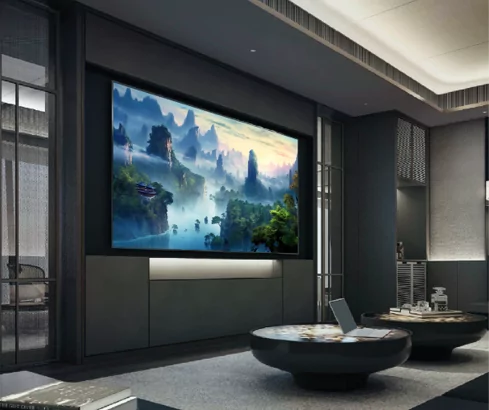
First impressions play an important role in residential property viewings. Visitors often remember distinctive interior features that give a home a recognizable character, particularly when those features complement the overall design. A carefully positioned video wall for home entertainment can create a memorable focal point in a living room, cinema room, or multipurpose leisure area. Its visual presence may help prospective purchasers associate the property with comfort, convenience, and a more sophisticated lifestyle.
Beyond appearance, integrated entertainment facilities can influence how people imagine using a property. A spacious living area equipped for film nights, sporting events, and family gatherings offers a different experience from a room containing conventional furniture and a standard television. Such flexibility can appeal to households with varied leisure preferences. However, the feature’s contribution depends on whether it fits naturally into the layout rather than appearing as an unnecessary addition.
Perceived value also differs from measurable market value. An impressive entertainment installation may increase viewing interest or distinguish a listing from comparable properties, but it does not automatically produce a higher transaction price. Location, local demand, building condition, and comparable sales remain important valuation factors. Sellers should regard audiovisual facilities as supporting features that strengthen the property’s overall presentation instead of treating them as independent guarantees of financial returns.
Architectural Integration and Interior Design
Visual technology becomes more appealing when its installation respects the original design of a residence. Exposed cables, oversized mounting structures, and poorly positioned equipment can make an expensive installation appear disconnected from the surrounding environment. By contrast, recessed structures, coordinated wall finishes, and carefully planned viewing distances help a video wall for home become part of the interior rather than an isolated electronic appliance.
Room proportions deserve particular attention during the planning stage. Screen dimensions should correspond with viewing distance, ceiling height, furniture placement, and available wall space. A display that dominates a relatively small living room may make the environment feel crowded, while an appropriately scaled installation can establish a balanced focal point. Lighting conditions also matter because reflections, excessive brightness, and direct sunlight may affect viewing comfort.
Another consideration involves the relationship between entertainment equipment and the property’s existing architectural features. Built-in storage, decorative wall panels, acoustic materials, and concealed wiring can create a more cohesive appearance. Prospective purchasers may appreciate these details because they suggest that the entertainment area was incorporated into the original interior planning. Such integration can also reduce the impression that additional renovation work will be necessary after purchase.
Technology Specifications and Long-Term Practicality
Technical performance influences whether an entertainment installation remains attractive beyond the initial property viewing. Display resolution, brightness, contrast, color reproduction, and refresh rate all affect the viewing experience. For larger residential spaces, pixel pitch deserves particular consideration because it determines the distance between individual pixels and influences image clarity at relatively close viewing positions. The selected specifications should reflect the room’s dimensions and the household’s intended activities.
Maintenance requirements are equally relevant to long-term ownership. Prospective purchasers may question the availability of replacement components, installation support, software compatibility, and repair services. A sophisticated display system can become less attractive if its maintenance arrangements are unclear or replacement parts are difficult to obtain. Property owners should retain installation records, technical documentation, and warranty information so that future purchasers can understand the system’s condition and operating requirements.
Ledman’s residential display portfolio includes the LV135 Max, LV163 Max, LV216 Max, and LV243 Max models. Built around the concept of Screen & Wall Integration — One Wall, Endless Possibilities, these large-format Micro LED solutions are designed to combine immersive entertainment with residential interior design. Depending on the selected configuration and available space, the installation can support a private cinema atmosphere while maintaining the visual character of a premium living environment.
Presenting Entertainment Features During a Property Sale
A distinctive audiovisual installation deserves thoughtful presentation in property marketing materials. Instead of simply listing screen dimensions or technical specifications, sellers can demonstrate how the space functions during everyday activities. Professional photographs showing the display within the surrounding interior may communicate its scale and design relationship more effectively than isolated equipment images. A short demonstration video can also illustrate picture quality and the room’s entertainment capabilities.
Clear documentation helps prospective purchasers assess the practical value of the installation. Useful information includes the equipment model, installation date, maintenance history, warranty status, operating instructions, and any associated control systems. If the display is connected to lighting, speakers, or smart-home equipment, the listing should explain which components are included in the sale. Transparent information reduces uncertainty and allows interested parties to evaluate the feature according to their own requirements.
Conclusion
Residential technology is becoming an increasingly visible part of interior design, but its contribution to property value depends on how successfully it serves the people living in the space. A well-planned home video wall can strengthen visual identity, support multiple entertainment activities, and create an appealing feature during property viewings.
Its financial contribution, however, remains closely connected to installation quality, maintenance considerations, and local buyer preferences. With its residential Micro LED solutions, Ledman demonstrates how large-format displays can become part of a property’s architectural experience. Ultimately, a thoughtfully designed entertainment environment offers a more convincing selling point when technical sophistication and practical residential comfort work together.