Evaluating STM32F103C8T6 Sourcing Channels: How to Qualify an MCU Supplier for Production Runs
Moving an embedded project from prototype validation into mass manufacturing requires rigorous component verification. Procurement teams face volatile markets where popular integrated circuits encounter inconsistent distribution channels. Securing dependable silicon begins with confirming that incoming stock aligns directly with verified manufacturer specifications.
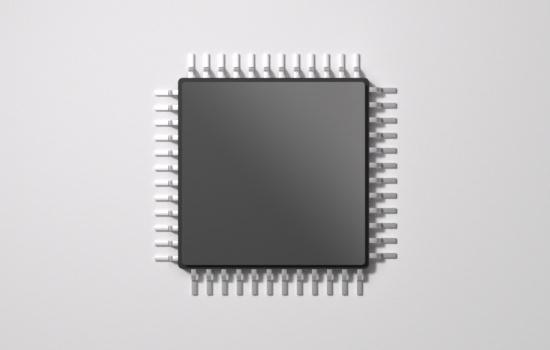
Engineering departments rely on STMicroelectronics medium-density processing units for industrial equipment, automation devices, and motor control systems. Production schedules cannot tolerate assembly delays or functional failures, making systematic quality criteria essential. Procurement professionals must scrutinize physical documentation, package formats, and distributor credentials before issuing high-volume purchase agreements.
Core Microcontroller Parameters Verifiable on the Datasheet
Datasheet compliance serves as the baseline for evaluating parts arriving at receiving docks. The STM32F103C8T6 operates on a 32-bit Arm Cortex-M3 core reaching a maximum frequency of 72 MHz. Embedded architectures rely on its integrated memory allocation, combining 64 KB of flash memory with 20 KB of internal SRAM.
Electrical parameters must remain strictly within manufacturer ratings across operating environments. Factory specifications define an operating voltage between 2.0 V and 3.6 V alongside an operating temperature spanning -40 °C to +85 °C. Power-conscious assemblies leverage configurable energy profiles, utilizing dedicated Sleep, Stop, and Standby low-power modes.
Analog capabilities embedded within the silicon dictate sensor accuracy and signal processing performance. Integrated hardware features two 12-bit analog-to-digital converters supported by ten external analog input channels. Monitoring circuits depend on these converters alongside three general-purpose 16-bit timers and an advanced-control timer to manage real-time feedback loops.
Peripheral versatility represents another critical checkpoint during incoming electrical verification. Standard specifications incorporate 37 multiplexed input and output pins accommodating general-purpose operations, pulse-width modulation, and serial communication. Communication relies on native interfaces including USART, SPI, I2C, CAN, and USB 2.0 full-speed ports, backed by SWD and JTAG debugging.
Backup registers and real-time clock circuitry receive dedicated support via an external VBAT pin. Maintaining continuous timing functions when primary system voltage drops ensures operational continuity across automation gear. Receiving units failing to operate within these published parameters indicate non-compliant manufacturing lots that must be rejected.
Physical Carrier Formats and Handling Checks
Mechanical package verification represents the first line of defense during warehouse receiving inspections. STMicroelectronics packages this processing unit in a 48-pin low-profile quad flat package, designated as LQFP-48. Surface-mount assembly lines demand pristine lead alignment across all 48 pins to ensure reliable solder joints during automated reflow.
Packaging formats dictate feeder setup on electronic manufacturing service floors. Factory deliveries arrive either in static-protective trays containing a standard pack quantity of 250 units or on tape and reel under the STM32F103C8T6TR ordering code. Verifying that outer labels match internal packaging markings prevents costly loading errors during placement.
Identifying authentic factory containers protects assembly facilities from compromised or mishandled silicon lots. Receiving specialists evaluate moisture barrier bags, desiccant integrity, and internal humidity cards to confirm proper storage conditions. Selecting an experienced MCU supplier ensures that packaging methods adhere strictly to manufacturer transport specifications.
Sourcing Network and Multi-Stage Quality Inspection
Procurement teams must audit distributor capabilities rather than relying on catalog pricing or unverified availability. Authentic component distribution requires systematic inbound validation procedures that intercept anomalous materials before reaching surface-mount lines. Multi-stage testing workflows begin with rigorous packaging inspection, label verification, and barcode tracking against manufacturer records.
Visual inspection checks device surfaces, pin integrity, and laser marking depth against genuine baseline standards. Technicians examine component body contours, pin-one orientation dimples, and lead finishes to verify unblemished factory condition. Advanced testing stages further validate pin continuity, clock response, and internal register accessibility prior to stock release.
Distributor channel transparency separates dependable distribution partners from unverified open-market brokers. Unibetter distributes a wide range of electronic components across international manufacturing sectors, maintaining direct visibility over global inventory pipelines. Broad supplier integration enables sourcing specialists to track authentic component channels while avoiding suspicious lots circulating in unmonitored markets.
Unibetter sources and procures electronic components from franchised sources to guarantee 100% authentic, quality-assured and brand-new electronic components. Connecting assembly operations directly to authorized supply networks protects electronics manufacturers from premature component failures, board re-spins, and catastrophic factory rework expenses.
Mitigating Procurement Bottlenecks and Price Volatility
Supply market fluctuations frequently create pricing disparities between single-piece prototype orders and volume production runs. Small-scale purchases from retail platforms often carry steep unit markups, whereas volume orders require coordinated logistics to secure stable pricing. Contract manufacturers need predictable procurement schedules to maintain stable bill-of-materials costs across production agreements.
Access to an extensive distribution infrastructure allows procurement teams to navigate component shortages without halting assembly lines. Unibetter maintains relationships across more than 7,000 suppliers worldwide, enabling procurement professionals to identify verified stock across diverse geographic hubs. Access to a broad supplier network can help procurement teams identify available stock and evaluate sourcing options during periods of tight allocation.
Supporting customers to locate needed electronic components and acquire them at lower costs represents a decisive operational advantage for cost-conscious hardware programs. Consolidating volume purchase requirements through franchised distribution pipelines allows buyers to reduce unit acquisition expenses without sacrificing component authenticity or traceable documentation.
Establishing Long-Term Hardware Availability for Manufacturing
Embedded control applications in robotics, sensor monitoring, and basic automation require dependable component lifecycles to protect product viability. Selecting the STM32F103C8T6 allows development teams to build around mature 32-bit hardware supported by extensive firmware ecosystems, standard development boards, and reliable peripheral architectures.
Maintaining continuous manufacturing yields hinges on qualifying a trusted MCU supplier capable of delivering verified components on schedule. Strategic alignment between design engineering, purchasing specialists, and accredited distributors eliminates counterfeit exposure while safeguarding operational budgets. Establishing traceable procurement channels ensures that production lines operate smoothly and efficiently across every manufacturing run.