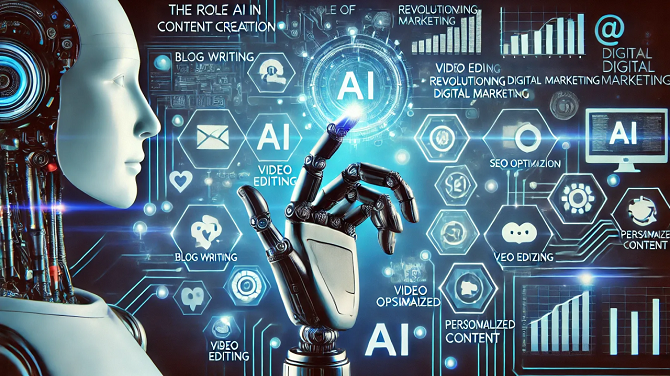
The rate of transformation in the creative industries by artificial intelligence is astonishing and has brought forth heated discussions on the issue of authenticity, quality and future of human creativity. The key question is pressing to creators of content all over the world, whether AI can help them work better or will they become completely replaced.
It is not a straightforward yes or no as AI tools do provide impressive functions and also have notable drawbacks whose consequences may vary with the deployment method. AI content creation tools have evolved from producing awkward, robotic text to generating surprisingly nuanced material that sometimes passes for human writing.
Subscriberz is dedicated to this change and how creators can manage to implement AI in their processes without sacrificing the human touch that viewers desire. Intelligent creators perceive AI as an effective helper and not a substitute and apply it to automate routine activities and make the most of their energy on strategy, emotional appeal, and genuine narration.
Artificial Intelligence as Innovative Enhancer, not Substitute
The most effective content creators apply AI to augment their powers and not to replace their judgment. AI is good at research, creating first drafts, proposing headlines and analysing viewer data to inform content strategy decisions. These tools remove the hours of initial work, leaving creators to work on refinement, injecting personality, and having a strategic approach, which machines are not capable of.
A travel blogger could come up with destination guides and then make them more personal with thoughts, feelings, and experiences that are unique and make the content memorable. Enhancing creativity with technology means leveraging AI’s speed and data processing while contributing human experiences, humour, empathy, and cultural understanding. AI is weak in nuances, situational humour, and emotional intelligence, i.e., the aspects that make the content really interesting.
Moral Reasons No One is Talking About
In addition to practical uses, AI content creation is also an issue because it poses questions regarding transparency, originality, and value. Is it acceptable that creators reveal to audiences when using AI? To what extent is AI assistance too much of a tool or a ghostwriter? These are questions that are not clear-cut but should be taken into serious consideration. Content authenticity standards become increasingly important as AI-generated material floods platforms, making genuinely human content more valuable by scarcity.
There are the viewers who just do not want to know how they are created, but it satisfies their needs; there are the ones who feel cheated to learn that their preferred maker depends extensively on AI. Clever designers have set their own rules in line with their values and expectations of their audience.
Getting ready to Do Business in the Creative Landscape of the Future
The creative sector is not going back to the pre-AI times hence it needs to adapt in order to survive. The skills that AI cannot easily imitate creators must acquire include deep subject knowledge, personal views that are unique, emotional narratives, and relationship with the audience. Future of digital content belongs to those combining technological literacy with irreplaceable human qualities. Become well acquainted with AI tools, their advantages, and limitations to use them.
Conclusion.
AI changes the way content is created, yet there is no replacement of human creativity to do something that makes the hearts shine. The future is in the hands of those able to merge technological effectiveness with the real human point of view, and employ AI as an addition and not a substitution to the original input that only an individual can offer.