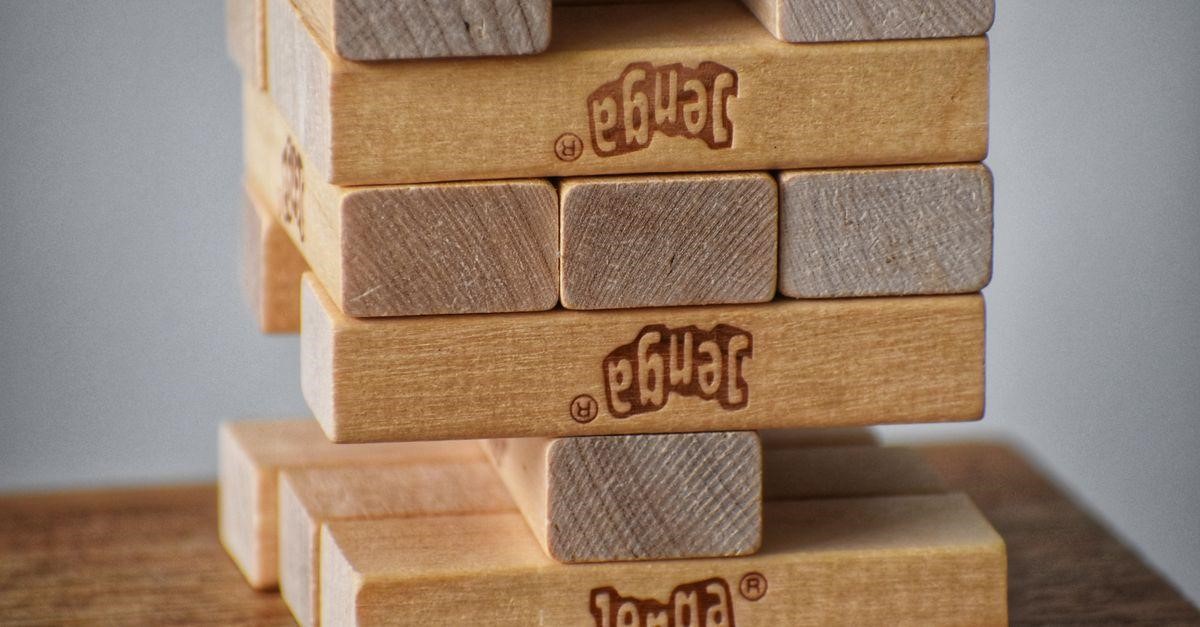
Balancing the Thrill: Setting Healthy Boundaries for Daily Play on KUY4D
How do you keep daily play fun without letting it take over your day?
That question matters more than most people think. A little structure can protect your time, your mood, and your focus while still leaving room for excitement and relaxation. Daily play should feel like a choice, not a habit that starts running on autopilot.
Healthy boundaries are not about removing enjoyment. They are about making sure play fits into your life in a way that feels steady and controlled. When you set clear limits, you can enjoy the experience with less stress, fewer regrets, and a better sense of balance.
Why Boundaries Matter For Daily Play
Boundaries give shape to something that can otherwise stretch too far.
They Protect Time And Attention
It is easy for a short session to turn into a long one when there is no clear stopping point. A planned limit helps you keep control of your schedule. That means less conflict with work, family, sleep, or other plans that matter just as much.
Time boundaries also help your mind stay clear. When you already know how long you will play, you do not have to keep checking the clock or making rushed choices. The session feels calmer because the limit was set before the first move.
They Reduce Emotional Pressure
Without boundaries, daily play can start to feel tied to mood changes. A rough day can lead to too much time spent trying to recover your mood, while a good day can turn into overconfidence. Clear limits keep emotions from steering the whole experience.
That matters because play is usually more enjoyable when it stays light. If you start using it to fix boredom, stress, or frustration, the pressure builds quickly. Boundaries help keep the activity in its proper place.
Set A Daily Time Limit
A simple time cap is one of the easiest ways to stay balanced.
Many people use KUY4D as part of a daily routine, but the real value comes from deciding in advance how long the session should last. A fixed start and stop time removes a lot of guesswork and keeps the habit from spreading into other parts of the day.
Choose A Time That Fits Your Routine
The best time limit is one you can follow on ordinary days, not only on perfect ones. Start with a duration that feels realistic for your schedule. If your day is already full, a shorter session may work better than trying to squeeze in more time than you can spare.
It also helps to attach play to a specific part of the day. Some people prefer after chores or after work, since that creates a natural boundary between responsibilities and relaxation. Others prefer a fixed evening slot. The key is consistency.
Use A Stop Signal
A timer, alarm, or phone reminder can make your limit easier to respect. Once the signal goes off, stop. Do not give yourself repeated extra minutes, because that is how a boundary turns into a suggestion.
Stopping on time is a skill, and like any skill, it gets easier with practice. The first few times may feel awkward, but the payoff is a stronger sense of control. That control is what keeps daily play enjoyable over the long run.
Keep Spending In Check
Money boundaries matter just as much as time limits.
Set A Fixed Budget Before You Start
Decide on a spending cap before the session begins, and treat that amount as closed for the day. Do not add more money after a loss or after a near win. That kind of reaction often comes from emotion, not from a clear plan.
A fixed budget helps you stay calm because the decision is already made. You are not asking yourself in the moment if you should spend more. You already answered that question earlier, when your thinking was steadier.
Separate Play Money From Daily Money
Keep your play budget apart from rent, bills, groceries, and savings. That separation makes it easier to see the activity for what it is: a form of entertainment with a cost attached. When the money is clearly set aside, there is less temptation to blur the line.
If you ever feel tempted to move money around just to keep going, that is a warning sign. A healthy routine should never put pressure on basic needs. The goal is balance, not strain.
Watch Your Mood And Motivation
Daily play feels different depending on why you are doing it.
Check In With Yourself Before Starting
A quick self-check can tell you a lot. Ask if you are calm, tired, stressed, bored, or upset. If your mood is already shaky, it may be better to wait. Play tends to feel better when it is chosen from a relaxed state, not used as an escape from discomfort.
This kind of check-in also helps you notice patterns. If you only want to play after a bad day, the habit may be carrying more emotional weight than you realized. Recognizing that pattern early makes it easier to adjust.
Know The Difference Between Fun And Pressure
Healthy play feels optional. Pressure shows up when you feel you have to keep going, recover losses, or prove something to yourself. That shift can happen quietly, so pay attention to your inner voice.
If the activity starts feeling tense instead of light, step away. A short break can reset your thinking. If the tension keeps coming back, it may be time to reduce how often you play or shorten your sessions.
Create A Simple Routine Around Play
Routine helps make boundaries easier to follow.
Some people use KUY4D LINK as part of a regular evening pattern, and that can work well when the routine stays balanced. A routine gives your day structure, so play becomes one activity among many instead of the center of everything.
Start And End With Something Else
It helps to place play between two ordinary parts of your day, such as after dinner and before a walk, a show, or a reading break. That way, the activity has a clear beginning and ending. It does not blur into the rest of your evening.
Ending with another activity is especially useful because it helps your mind switch gears. If you sit and keep thinking about one more round, the session can linger far longer than planned. A follow-up habit makes stopping feel normal.
Keep Your Routine Flexible Enough
Routine should support your life, not trap it. If your schedule changes, adjust your play time instead of forcing the same pattern every day. A healthy boundary can bend when needed without disappearing.
That flexibility matters on busy days, during travel, or when family plans come up. The point is to protect balance, not to follow a rule so rigidly that it causes stress.
Know When To Step Back
Sometimes the smartest boundary is a pause.
Look For Warning Signs
If you keep thinking about play during other tasks, ignore sleep, or feel irritated when you stop, those are signs to slow down. Another sign is repeating the same session longer than planned even after telling yourself you will stop soon.
These signals do not mean something is wrong with you. They simply mean your current limits may need tightening. Paying attention early keeps small habits from becoming bigger problems.
Give Yourself Recovery Time
Taking a day off can be healthy. It gives you space to reset your attention and remember that daily play is only one part of life. Rest days can also make your next session feel fresher and more intentional.
If you notice that stepping back feels uncomfortable, that feeling is worth noticing. Healthy habits should not create panic when paused. A balanced routine can handle a little distance.
Keep The Fun Without Losing Control
Boundaries do not remove the thrill. They make it safer to enjoy.
When you set limits on time, money, mood, and routine, daily play becomes easier to manage. You stay in charge of the habit instead of letting it spill into other parts of your life. That is what balance looks like in practice: clear limits, steady choices, and enough space for the rest of your day.
If you treat play as one enjoyable part of a full life, it stays lighter and more sustainable. That simple mindset can make a big difference over time.